




Every author has answered the same four questions: where do your ideas come from, are you a plotter or a pantser, what is your writing routine, and what advice would you give to new writers. The answers are usually fine. They are rarely useful — not to a reader deciding whether to buy the book, and not to the person trying to write something worth reading.
The fix is not a cleverer question. It is a more specific one. Ask about the scene that went through eleven drafts, or the reader the author pictured at chapter three, and you get detail you can use: in a feature, a podcast, a newsletter, or the book's own description.
Here are fifteen questions that go past the standard set, grouped by what they reveal. Use the ones that fit the interview. You do not need all fifteen.
Questions about the work, not the biography
Where an author grew up and what they studied are easy answers to skim. Questions about the making of the book are harder, which is exactly why they are worth asking. Vague answers show up quickly here — and so does genuine work.
1. What was happening in your week when you wrote the opening line? Most authors remember the room, the job, the mood. The answer often tells you more about the book's tone than a plot summary would.
2. Which scene did you rewrite most, and what was wrong with the earlier versions? This is where craft talk starts. Listen for the words they reach for — pacing, voice, a character who was not yet working.
3. What did you cut that you still miss? Every finished book has a graveyard behind it. Authors rarely get asked about it, and they tend to answer honestly.
4. Walk me through a writing day. Where are you, and what happens before you start? Routine questions are common; the detail is not. Ask specifically about the twenty minutes before they type a word.
5. What did you have to learn to write this honestly — a place, a skill, a period of history? Research answers give you texture for the piece and reassurance for readers who want to trust the book.
If an answer arrives polished and general, ask for an example: can you give me the scene? That single follow-up does more than three fresh questions.
Questions about marketing that do not sound like marketing
Authors can hear a sales question coming from across the room. Frame these around the reader and they will talk freely.
6. Describe the reader you had in mind, as if they were sitting opposite you. Push for specifics: what else they read, where they get recommendations, what they complain about. That is targeting material for a newsletter, an advert or a pitch to a bookshop.
7. What do readers misunderstand about this book before they open it, and where do you put them right? This exposes the gap between what the book is and how it has been described — useful whether you are writing the interview or the back cover.
8. A bookseller gives you thirty seconds. What are your two sentences? Authors who can do this already have a blurb in their head. Authors who cannot often need help, and the interview will show precisely where.
9. What have you tried that did not work? A launch event in a rain-soaked hall. A paid promotion that sold six copies. Failure stories are more useful than success stories and almost never get published.
10. Which part of the book do readers quote back to you? That line is usually the strongest hook for the book's own copy. If readers repeat it unprompted, new readers will respond to it.
Questions about reader appeal
11. Which book would yours sit beside on a shelf, and why? Comparison titles are gold for metadata, pitches and bookshop conversations. Listen for two: one obvious, one surprising.
12. Who is this book not for? A blunt answer sharpens positioning. Not every book suits every reader, and saying so out loud builds trust with the readers who are the right fit.
13. What question do you get most at events, and what would you rather be asked? One answer gives you the reader's actual obsession and the author's mild frustration.
14. If a reader closes the book and does one thing differently, what would it be? This works for fiction as well as non-fiction — the answer might be "rings her sister" or "notices the weather".
15. What is next, and how does it connect to this one? It ends the interview on forward motion and hands you a natural closing paragraph.
How to ask them well
The questions matter less than the room you make for the answers. A few habits do most of the work:
- Ask one question at a time. Stacked questions get the easiest answer, not the best one.
- Wait three seconds after an answer. Silence is where the second, better sentence lives.
- Ask for the scene, the name, the number. "Tell me more" is weak; "what did your editor say?" is not.
- Follow the interesting detour. If an author lights up about a deleted chapter, that is your interview.
- Record with permission, then check names, dates and titles before you publish.
- Keep the questions in your own voice. Authors can hear a script being read at them.
Turning the answers into copy that works
An interview is raw material. Before you file it, read the transcript again with a pen in hand and mark anything that could stand alone: a phrase about the reader, the two-sentence pitch, the line readers quote, the reason a scene was cut. Those become pull quotes, social posts, the newsletter introduction — and often the book's own description.
Then sort the rest by use. The "who is this not for" answer tells you which readers to target rather than shouting at everyone. The bookshelf answer supplies comparison titles for retailer metadata and review pitches. The process answers give event hosts and podcasters something to talk about beyond plot.
One practical habit to finish with: where you can, send the author the draft before it goes out — not for approval, but for accuracy. Most will correct a small detail and thank you for the courtesy. Interviews built on specific, generous questions tend to earn that goodwill back, and they are the ones authors remember when the next book arrives.
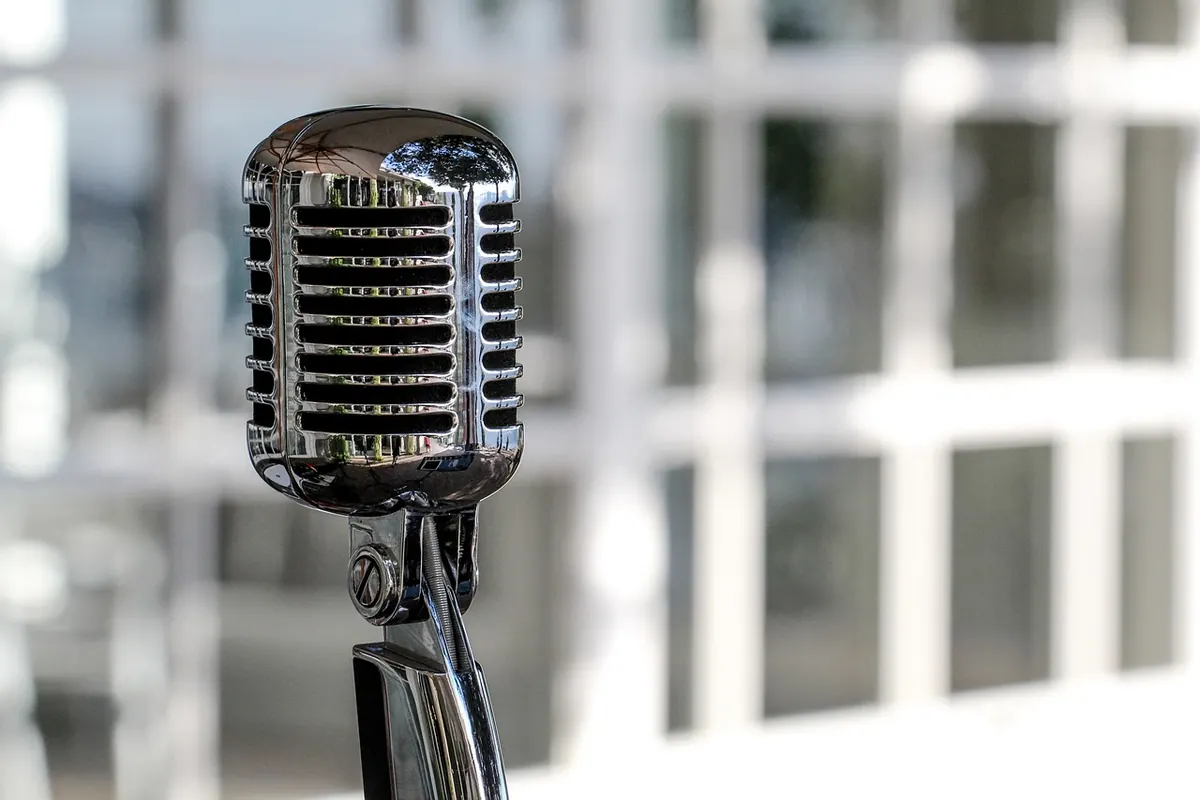
Photo: x_OI / Pixabay